
When your cooling falters, small gaps can spiral into costly downtime. A quality-and-risk mindset turns chaos into a steady, well-sequenced plan that prevents rework and safeguards your home’s comfort. We kick off with a structured scope, test assumptions, and emphasize tasks that keep technicians moving safely. You’ll see how we plot load needs, verify parts, and stage work to reduce site risks. If your project shifts toward ac installation because the old unit can’t be saved, we’ll explain the breakpoints and trade-offs before tools come out. This approach keeps the schedule honest and surprises to a minimum. Throughout, we double-check details that matter: charge levels, airflow, and control clearances. With a disciplined checklist, the work stays clean, risks fall, and comfort returns fast.
Scope clear needs upfront for stable outcomes
A crisp scope reduces missed details and prevents stalls once tools are out. We confirm room counts and load targets , hvac spring then align access, parking, and breaker logistics with your building’s rules. We also log code constraints, attic clearance, and lift demands, so risks are known before the first panel opens. This early clarity trims hours from the job and minimizes callbacks.
We create a tight brief listing failures, thermostat history, and noise reports from your household. Sometimes a short video of a startup helps, especially for intermittent faults. For a small office, we’ll stage work by zones to minimize disruption and protect staff schedules. Good scoping today prevents tomorrow’s rework.
Choose durable parts and tested inputs that fit the job
Selecting the right materials means fewer surprises and safer results. We validate model numbers and compatibility with outdoor units , hvac spring then confirm filter sizes, coolant type, and piping length before purchase. For older homes, we assess insulation and plenum losses so any part swap fixes the root issue. Right parts up front lower total cost.
We bring spare fuses, contactors, and hard-start kits to prevent last-minute runs to supply houses. When moisture spikes, we spec drain pans and safety switches to guard ceilings and floors. A light commercial suite may need quiet-rated mounts to keep meetings undisturbed. Proper inputs shield you from repeat visits.
Orchestrate clean workflow and honest scheduling for fewer delays
A well-sequenced workflow maintains quality while keeping tech momentum high. We stage tools, cords, and drop cloths near entries , hvac spring then block off a safe path for removals and lifts. We time loud tasks during daylight hours and coordinate dog gates, freight lifts, or loading zones. With good choreography, even tricky attics move fast.
On an apartment retrofit, we might batch similar steps—testing, vacuum pulls, and pressure holds—to shorten the clock. For a bakery, we’ll sequence work so the prep room stays at a steady temp. Crews use run cards that flag sign-offs before moving ahead. The plan keeps stress low and outcomes high.
Guard quality and risk with checks that actually matter
Quality is more than shine; it’s repeatable performance under summer heat. We pressure-test lines at the right PSI , hvac spring then vacuum below target microns and stabilize before charging. Sensors and boards get tight connections, and airflow is tuned to spec. These steps block invisible failures.
In a ranch home, we’ll isolate a bedroom run to verify CFM and temperature split. Light offices often need ventilation tweaks to keep CO2 in a safe range. Outdoor units get breathing room from shrubs to protect coils and service access. Assign the risk, and quality follows.
Keep comfort steady with practical care and lifecycle moves
After the fix, simple habits lengthen equipment life and stabilize bills. We show filter rotation and quarterly checks , hvac spring then set reminders tied to pet cycles. Condensate lines get purges before peak season, and coils see proper cleaning to maintain efficiency. A few minutes each month beats big repairs later.
(Image: https://a.mktgcdn.com/p/95ZUDTNA_Cupkdmh-pjbZcOEcRogSmrU1hNDcMiX-2U/1050x590.jpg)
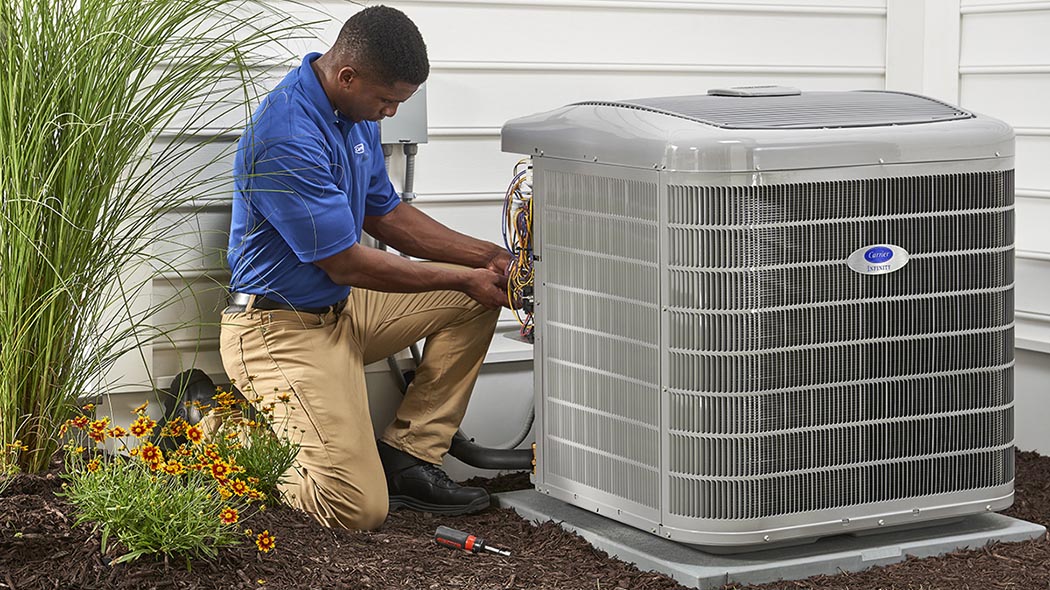
For rental units, we provide fridge-magnet checklists so tenants notice changes early. Small storefronts benefit from off-hour visits that avoid sales downtime. We also explain breaker behavior and control alerts, so small clues don’t get ignored. Consistency keeps comfort predictable through heat spikes.
Plan cost trade-offs with open eyes and grounded numbers
Money mistakes usually come from assumptions that weren’t tested. We separate must-fix safety items from nice-to-have upgrades , hvac spring then attach time and parts to each bucket. Homeowners see what’s non-negotiable and what can wait a season. Open books make decisions easier.
(Image: https://www.onehourairftworth.com/wp-content/uploads/2025/04/HVAC-Maintenance-1024x1280.jpg)
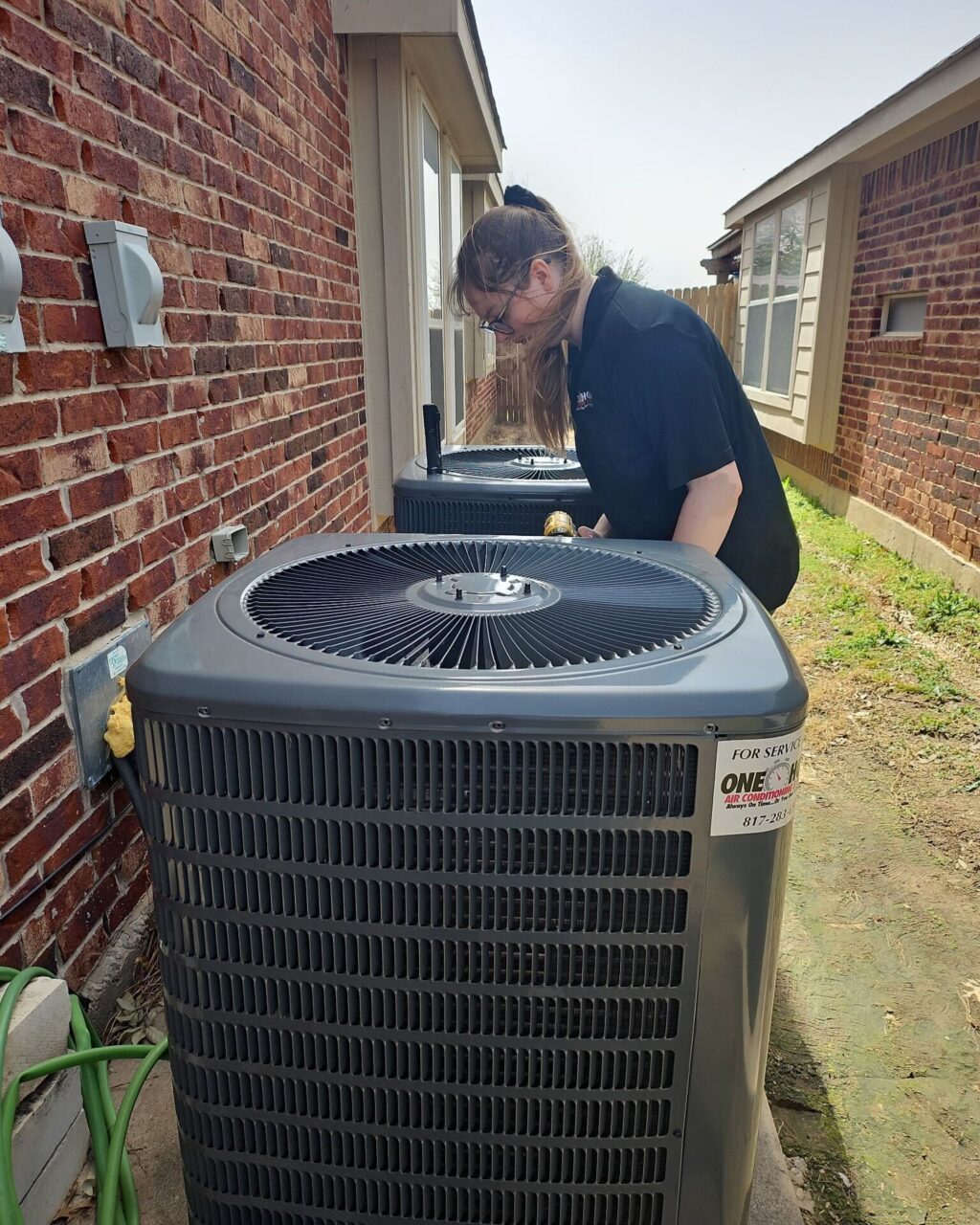
In a duplex, we might defer cosmetic shrouds but replace a tired condenser fan to protect the motor. A boutique gym could choose a low-sone kit now and postpone duct sealing until fall. We always flag rebates and utility credits that ease near-term costs. Clarity turns a hard bill into a planned step.
Conclusion A risk-and-quality lens turns cooling work into a steady process. We scoped needs early, set the right inputs, orchestrated clean workflow, and backed it all with checks that matter. With simple lifecycle habits and honest cost choices, your system stays stable, safe, and efficient. The result is comfort you can count on, even in peak heat.