
A reliable cooling and heating setup doesn’t happen by luck; it comes from steady habits, clearer choices, and timely fixes. If you’ve ever searched for fast help, you know how urgent ac repair richardson can feel when the thermostat creeps the wrong way. This guide focuses on prevention first, then shows how to react quickly when something slips. We outline how to scope the work, select the right components, and keep timelines realistic during busy seasons. You’ll see examples from small homes and light commercial suites, plus tips to reduce downtime when parts run tight. We also highlight safety checks, airflow basics, and clean-power practices that boost efficiency without blowing your budget. Expect plain language, checklists you can use, and trade-offs explained so you can pick what fits your situation. By the end, you’ll have a simple, flexible plan that cuts risk while keeping comfort steady. Think of it as a toolkit for calmer decisions and smoother results.
Align goals upfront with a clear performance need
Start with a quick map: rooms, hours of use, hot spots, and any noise limits. Call out dependencies like attic access or rooftop ladders ac repair richardson so crews can plan safe approaches. List the must-haves—cooling capacity, humidity control, filter size—and flag nice-to-haves like smart scheduling. Document past issues such as breaker trips or short cycling to guide testing. Add simple measurements: tape a register temp reading, track runtime on a hot afternoon, and note how long recovery takes.
Assign a single point of contact for quick change signoff. Capture building quirks: tight closet clearances, tricky drain runs, or shared circuits. Set quiet hours for multi-tenant spaces to avoid friction. Prioritize safety and access labels for panels, gas shutoffs, and condensation lines. Wrap up with a one-page scope that spells out success criteria, timelines, and what “done” looks like.
Choose belts and refrigerant parts with proven compatibility
Match components to the load, not just the sticker rating. Share model numbers and age of the outdoor unit and air handler ac repair richardson to prevent a mismatch that hurts efficiency. Use filter sizes that seal without gaps; a 1-inch pleat may starve airflow on high static. When ducts are tight, balance filter depth against static pressure. Verify motor specs, capacitor values, and control board versions before ordering.
Stock basic upkeep items so weekend hiccups don’t escalate. If refrigerant work is expected, confirm valve core tools, rating on hoses, and recovery cylinder availability. Label wire colors and terminal designations on photos to simplify reassembly. When a belt is critical, store a spare so a future squeal doesn’t halt operations. Aim for parts with accessible support docs and clear wiring diagrams to speed diagnostics.
Stage tasks, reserve crews, and sequence work to trim downtime
Busy weeks stretch timelines, so break the job into bite-size steps. Pre-inspection and staging can happen days earlier ac repair richardson while waiting on parts. For example, clean the coil, clear the drain, and test static pressure before swap day. Precut line sets and sized pads cut hours off the clock. In homes, shift noise-heavy steps outside nap or meeting windows.
Post a one-page schedule near the panel for everyone to see. Build buffers for weather, crane access, or freight delays. Swap critical spaces early in the day so you have daylight for tuning. If a thermostat upgrade is planned, run low-voltage tests first to avoid dead-on-arrival surprises. Keep a fallback plan, like temporary cooling or staggered zone work, to keep people comfortable.
Verify airflow, electrical safety, and leak risk before calling it done
Quality checks pay back all season. Start with airflow: measure return and supply temps, and compare against expected splits ac repair richardson to catch low charge or blocked coils. Inspect the disconnect, tighten lugs, and confirm breakers match load. Pull and test the float switch; water damage starts small. Check insulation on suction lines and seal any cabinet gaps that whistle.
Simulate a dinner rush or meeting block for truer load. Use an infrared thermometer for quick duct scanning and to find hot leaks in attics. Listen for contactor chatter, fan wobble, and odd compressor knocks. Log readings—amps, pressures, temps—so future service has a clear baseline. If anything drifts, adjust now rather than scheduling a second visit in peak season.
Keep coils clear, drains open, and settings dialed across seasons
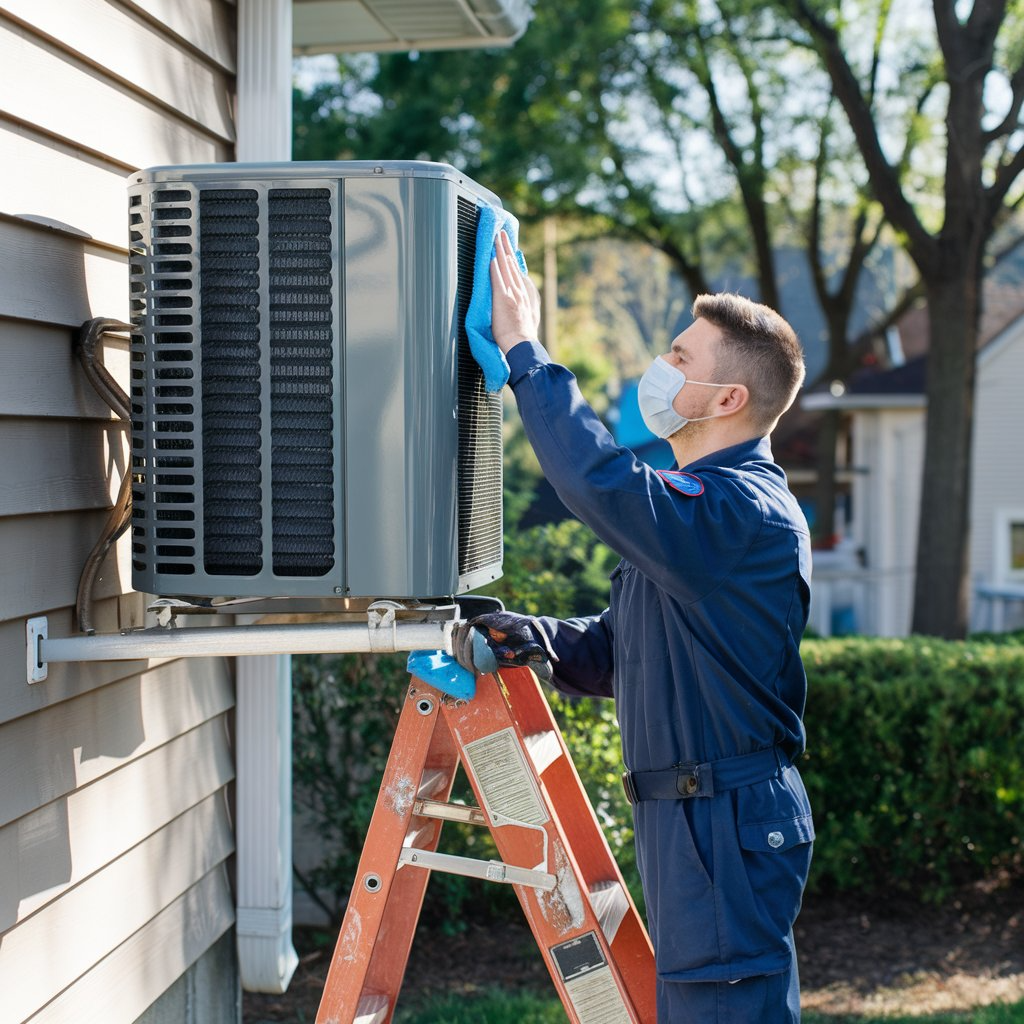
Ongoing care is cheaper than crisis mode. Set reminders to swap filters on a calendar rhythm ac repair richardson and tie them to fixed dates, not vague guesses. Rinse outdoor coils gently, pulling leaves and lint that choke airflow. Drop a tab in the pan to fight algae and check that slopes haven’t shifted. Watch for creeping runtime; longer cycles often hint at an airflow or charge issue.
Use shoulder seasons for deeper checks—belts, capacitors, and wiring. Keep shrubs trimmed 2–3 feet from outdoor cabinets. Log thermostat adjustments so odd patterns don’t hide problems. For small offices, train one person to note sounds, smells, and panel lights. When a symptom pops, act fast—small fixes today beat big, sweaty weekends tomorrow.
Conclusion
Strong results come from clear scope, the right parts, a steady schedule, and thorough testing, then simple habits that keep everything stable. The steps above balance speed with care, so you avoid risky shortcuts while reducing downtime. Treat them as a living checklist you refine each season. Follow-through turns stressful surprises into quiet, predictable comfort all year.